
Call us now :08071790210
 Send Inquiry
 Send Inquiry
PRECIPITATED CALCIUM CARBONATE
MOQ : 1 Gram
PRECIPITATED CALCIUM CARBONATE Specification
- Usage & Applications
- Used as a functional filler and whitening agent in paints, coatings, plastics, rubber, paper, adhesives, sealants, construction chemicals, wall putty, pharmaceuticals, food products, toothpaste, and various industrial formulations to improve brightness, strength, and performance.
PRECIPITATED CALCIUM CARBONATE About
PRECIPITATED CALCIUM CARBONATE (PCC)
ASTRRA Chemicals LLP offers premium quality Precipitated Calcium Carbonate (PCC) with exceptional whiteness, controlled particle size, excellent dispersion, and consistent quality for a wide range of industrial applications.
ASTRRA Chemicals LLP
Your Trusted Partner for Industrial Minerals & Specialty Chemicals
Quality You Can Trust. Performance You Can Rely On. Partnership You Can Grow With
Versatile Applications Across Industries
Precipitated Calcium Carbonate is valued for its adaptability and effectiveness in a wide variety of products. From providing whiteness and opacity in paints and paper, to strengthening rubber and plastics, PCC plays a foundational role in numerous manufacturing sectors. Its fine particle size and purity make it ideal for both industrial and consumer goods.
Quality Enhancement and Performance Benefits
Utilizing PCC in different formulations leads to products with greater brightness, improved strength, and enhanced durability. In addition to its functional benefits, PCC helps manufacturers meet stringent quality standards while maintaining cost-effectiveness across diverse applications.
FAQ's of PRECIPITATED CALCIUM CARBONATE:
Q: How is Precipitated Calcium Carbonate produced?
A: Precipitated Calcium Carbonate is synthesized through a controlled chemical reaction where calcium oxide (derived from limestone) reacts with carbon dioxide. This process results in an ultra-pure, fine-grade powder ideal for industrial applications.Q: What are the primary uses of Precipitated Calcium Carbonate in industrial products?
A: PCC serves as a functional filler and whitening agent in paints, coatings, plastics, rubber, paper, adhesives, sealants, construction chemicals, wall putty, and also finds application in pharmaceuticals, food products, and oral care items like toothpaste.Q: When should manufacturers opt for PCC over natural calcium carbonate?
A: Manufacturers select PCC when they require higher purity, consistent particle size, and superior optical or mechanical properties than what natural calcium carbonate can deliver, especially in demanding applications such as fine coatings, specialty papers, or high-performance plastics.Q: Where can PCC be sourced for large-scale manufacturing needs?
A: PCC is available globally through specialized exporters, importers, manufacturers, and suppliers who cater to various industries, offering tailored grades and packaging to suit large or small-scale requirements.Q: What is the process for incorporating PCC into formulations?
A: PCC is usually blended or dispersed in the base material during manufacturing, whether it is being added to paints, plastics, rubber compounds, or cements, with easy integration due to its fine particle size and chemical compatibility.Q: How does the use of PCC benefit end products?
A: By incorporating PCC, manufacturers achieve improved brightness, enhanced strength, optimized dimensional stability, and cost efficiency in their products, while also maintaining regulatory compliance for safety and performance.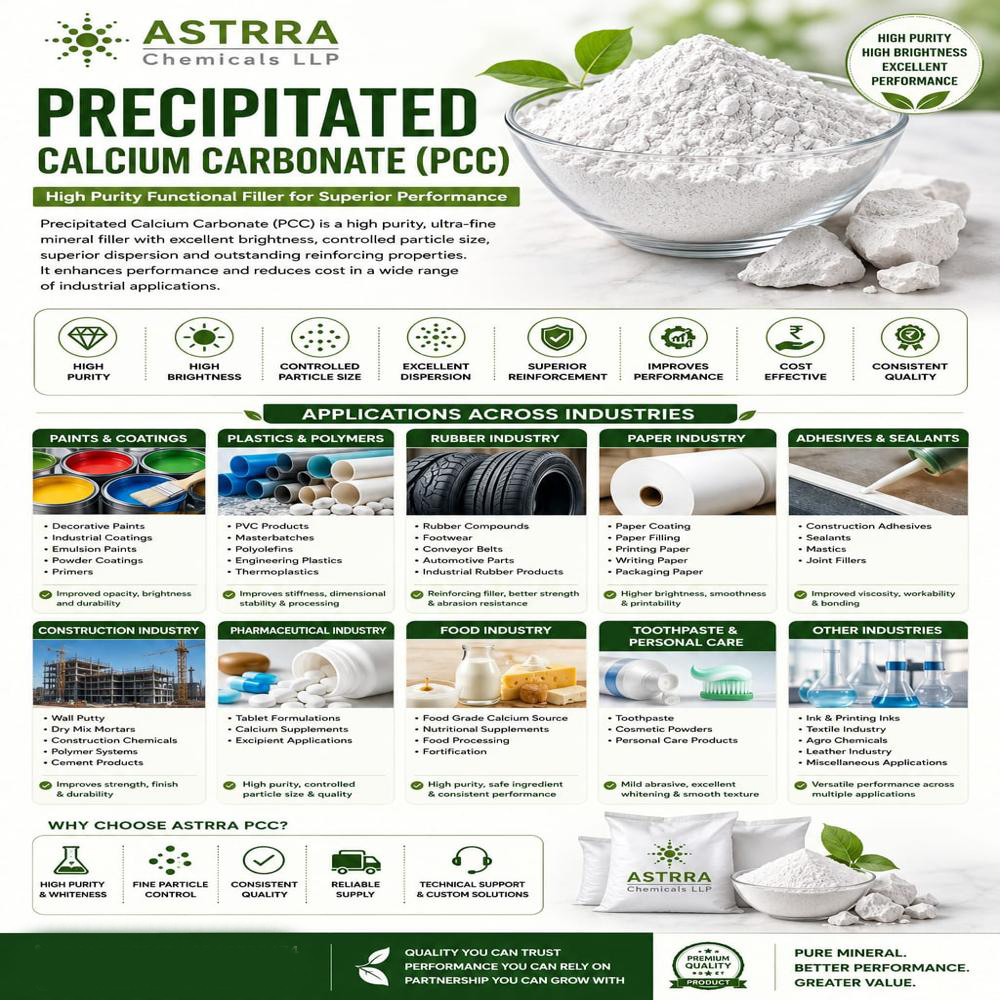
Tell us about your requirement

Price:
Quantity
Select Unit
- 50
- 100
- 200
- 250
- 500
- 1000+
Additional detail
Mobile number
Email

More Products in Mineral Powder Category
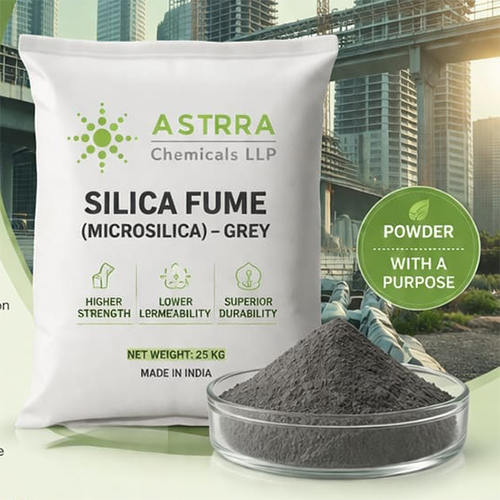
Grey Microsilica Fume
Price 18.0 INR / Kilograms
Minimum Order Quantity : 100 Kilograms
Usage & Applications : Foundry
Form : Powder
Shape : Powder
Color : Grey
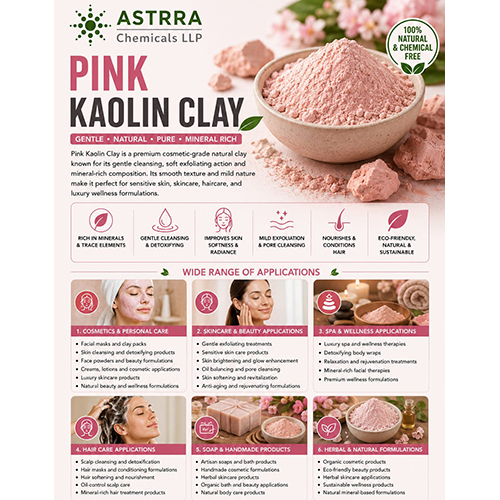
Pink Kaolin Clay
Price 380.0 INR / Kilograms
Minimum Order Quantity : 100 Kilograms
Usage & Applications : Face mask, Makeup, Hair cleanser, Soap making, Skin detox, Exfoliant
Form : Powder
Shape : Powder
Color : Pink
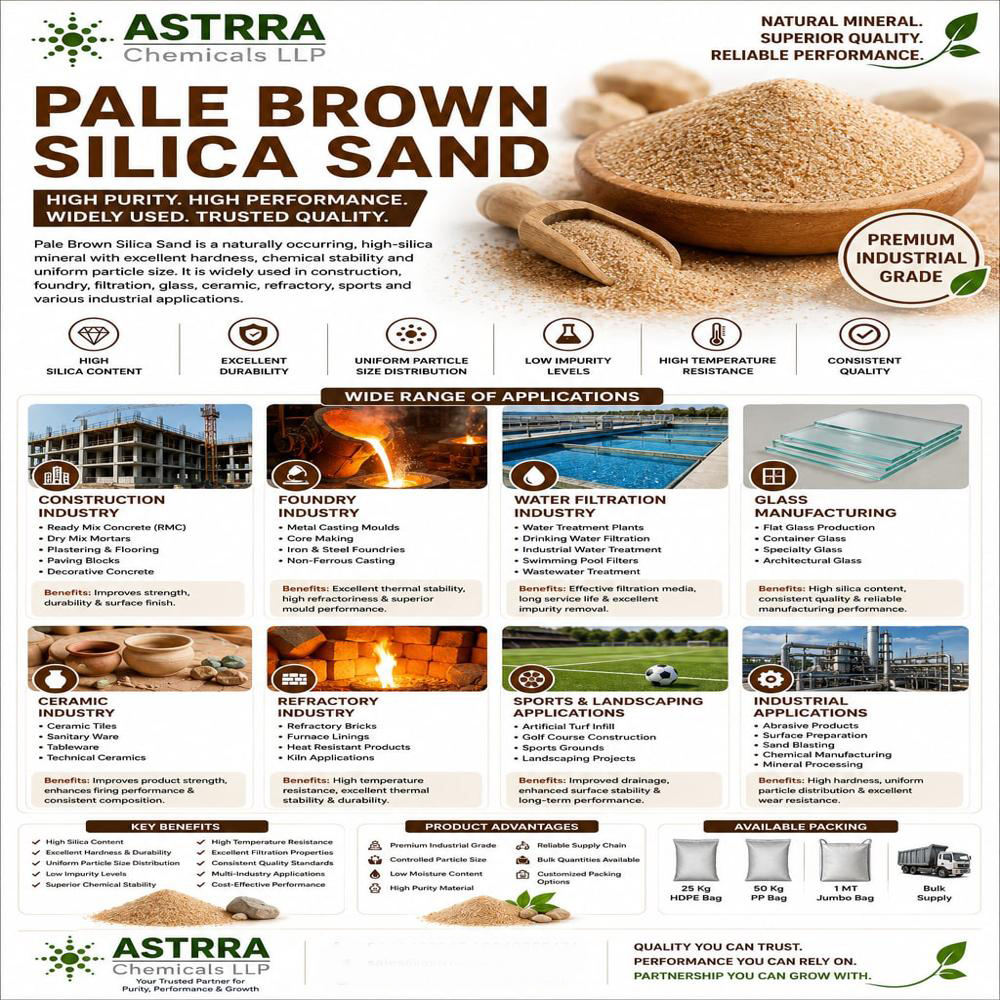
PALE BROWN SILICA SAND
Minimum Order Quantity : 25 Kilograms
Usage & Applications : Pale Brown Silica Sand is used in construction for concrete and mortar applications, in foundry for metal casting moulds, in water filtration systems, in glass manufacturing, in ceramics and refractory products, in sports and landscaping applications, and in industrial processes such as sand blasting, surface preparation, and chemical manufacturing.

 Send Inquiry
Our Products


No 532/1, B3 & B4, Vanagaram Road, Athipet, Ambattur, Chennai - 600058, Tamil Nadu, India

Mr Sanklesh Fatechand Chabria
(Managing Partner)
Mobile :08071790210
 Send Inquiry
Developed and Managed by Infocom Network Private Limited.
